
Summary
Understanding the hidden costs of aging in place helps families make a more informed decision about what option truly works best for their loved one. While staying home may seem affordable initially, expenses for home modifications, professional caregiving, maintenance, and transportation often accumulate quickly and unexpectedly.
- Home safety upgrades like grab bars, stairlifts, and accessible bathrooms can cost tens of thousands of dollars
- Daily support services including caregivers, meal preparation, housekeeping, and transportation create substantial ongoing expenses
- Homeownership costs such as property taxes, utilities, maintenance, and repairs continue regardless of changing health needs
- Community living offers predictable all-inclusive pricing that covers housing, meals, transportation, activities, and support services in one monthly fee
- Residents in senior communities often experience improved social connection and engagement compared to aging in place, contributing to overall quality of life beyond financial considerations
At first glance, staying at home may seem like the most affordable choice for an aging loved one. The mortgage may already be paid off, the neighborhood is familiar, and daily routines feel comfortable.
However, many families discover that the hidden costs of aging in place extend far beyond housing expenses. Home modifications, transportation, maintenance, personal support, and social isolation can create financial and emotional burdens that are easy to underestimate.
When evaluating aging in place versus community living, it helps to compare the complete picture rather than focusing on one monthly payment.
The Rising Cost of Making a Home Safer
As mobility and health needs change, many homes require updates to remain safe and accessible. The home modifications for seniors cost can add up quickly, especially when multiple projects are needed at the same time.
- Walk-in showers, grab bars, and bathroom renovations
- Stairlifts and wheelchair ramps
- Improved lighting and fall-prevention flooring
- Wider doorways and more accessible kitchen layouts
While these upgrades can improve safety, they often represent a significant investment. Families may spend tens of thousands of dollars adapting a home that was never built for long-term aging.
The True Cost of Staying Home as a Senior
Many families focus on housing expenses but overlook the cost of daily support.
Professional caregivers, meal preparation, housekeeping, transportation, and medication reminders often become necessary over time. Even a few hours of assistance each day can create substantial monthly expenses.
The true cost of staying home senior households experience often includes responsibilities that family members absorb as well. Coordinating appointments, providing transportation, managing household tasks, and filling gaps in support can quickly become a second job for adult children.
These unexpected expenses aging at home are often difficult to predict because needs tend to increase gradually rather than all at once.
Transportation, Maintenance, and Household Expenses Add Up
Remaining at home means continuing to manage all the costs of homeownership.
These expenses may include:
- Property taxes and homeowners insurance
- Utility bills throughout the year
- Lawn care and seasonal maintenance
- Appliance repairs and emergency home projects
- Transportation to appointments, shopping, and social outings
For many older adults, maintaining a larger home becomes increasingly expensive and time-consuming. What once felt manageable can eventually become overwhelming.
Looking Beyond Cost: The Value of Community Living
Financial comparisons matter, but quality of life is equally important.
One advantage of community living is access to built-in opportunities for connection, engagement, and support. Instead of relying on family schedules or transportation arrangements, residents can participate in programs, wellness activities, social gatherings, and outings right where they live.
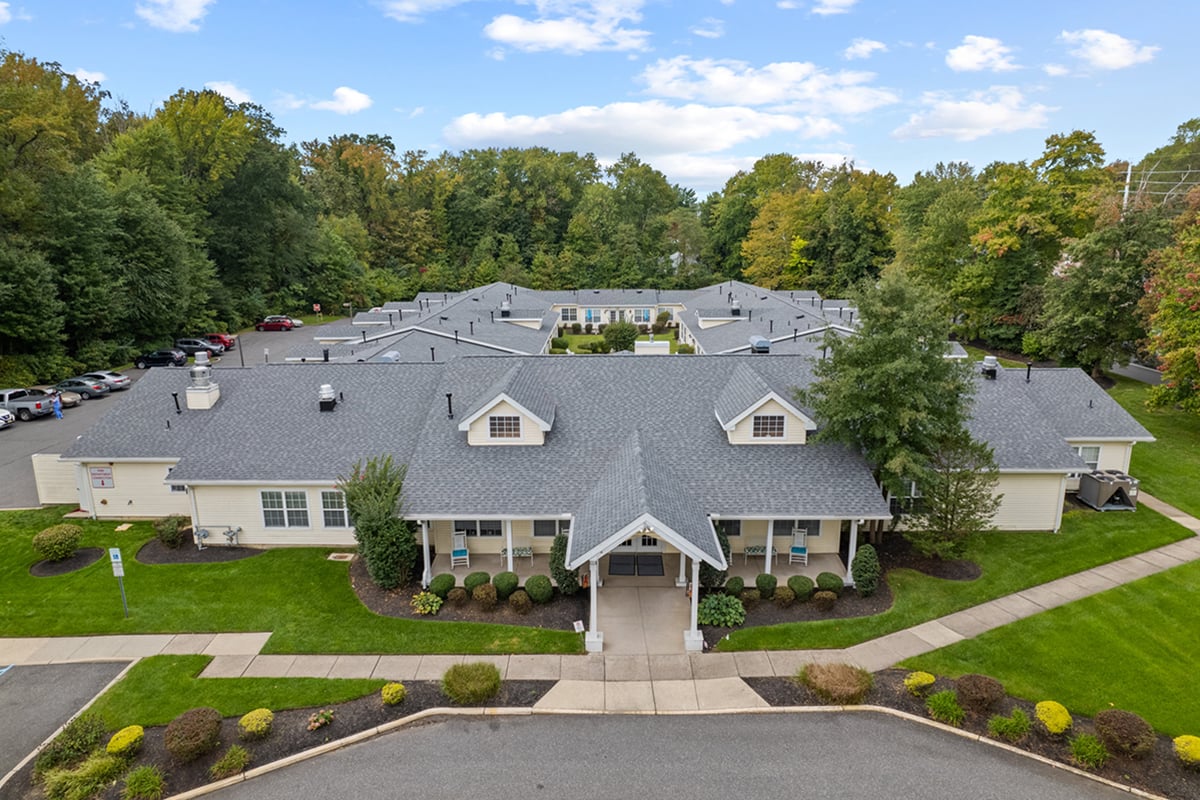
At Granville Place in Burlington, NJ, residents enjoy amenities such as chef-prepared dining, comfortable gathering spaces, scheduled transportation, and a full calendar of events designed to encourage meaningful connections.
Families often tell us that one of the biggest surprises is how much their loved one enjoys being around peers again.
As one family member shared after their loved one moved to Granville Place, "Mom is busier now than she was at home. She has people to talk with every day and always seems to have something on her calendar."
Testimonials and personal experiences like these help illustrate benefits that are difficult to measure with a spreadsheet.
Understanding Different Levels of Support
When comparing aging in place versus community living, it is also important to understand that not every resident needs the same type of support.
Independent living is often ideal for older adults who want maintenance-free living, dining, transportation, and social opportunities without the responsibilities of homeownership.
Assisted living adds personalized support with daily activities while allowing residents to maintain as much autonomy as possible.
For families facing dementia or Alzheimer's disease, memory care offers a more specialized environment with structured routines, personalized engagement, and team members trained to support residents living with cognitive change.
Understanding these differences helps families choose the option that best matches current needs while preparing for the future.
Predictable Costs Through All-Inclusive Assisted Living Pricing
One reason many families choose community living is the simplicity of all-inclusive assisted living pricing.
Rather than juggling multiple bills and service providers, many expenses are combined into a single monthly fee that may include:
- Housing and utilities
- Maintenance and housekeeping
- Chef-prepared meals
- Scheduled transportation
- Wellness and enrichment programs
- Personalized support services
This approach often makes budgeting easier while reducing many of the hidden costs of aging in place.
Making an Informed Decision for the Future
Every family's situation is unique. The right choice depends on finances, lifestyle preferences, health needs, and long-term goals.
As you compare options, consider both the financial realities and the day-to-day experience. Safety, social connection, convenience, and peace of mind all contribute to overall value.
For many families, the conversation eventually shifts from "What does it cost?" to "What provides the best quality of life?"
Learn more about Assisted Living at Granville Place and schedule a visit to see how our Burlington community helps residents enjoy comfort, connection, and support every day.