
Summary
Learning how to pay for Assisted Living without selling your house offers families financial flexibility and peace of mind during this important transition. Explore multiple strategies that allow you to maintain home ownership while managing senior living costs.
- Rent out the family home to generate steady monthly income that offsets Assisted Living expenses, with professional property management companies handling tenant screening, maintenance, and collections
- Consider bridge loans that use your home as collateral to provide short-term funding while you work through longer-term financial plans
- Investigate Veterans Affairs benefits if you or a spouse served in the military, as these programs can significantly reduce monthly costs
- Review Medicaid planning options with an elder law attorney, as some states allow Medicaid coverage while protecting your primary residence
- Explore home equity lines of credit or reverse mortgages (age 62+) to access funds tied to your home's value without immediate sale
Many families worry they'll need to sell a longtime family home to afford senior living. In reality, there are several ways to pay for assisted living without selling the house right away. Exploring different financial strategies can help families manage costs while keeping the home in the family and giving everyone more time to make thoughtful decisions.
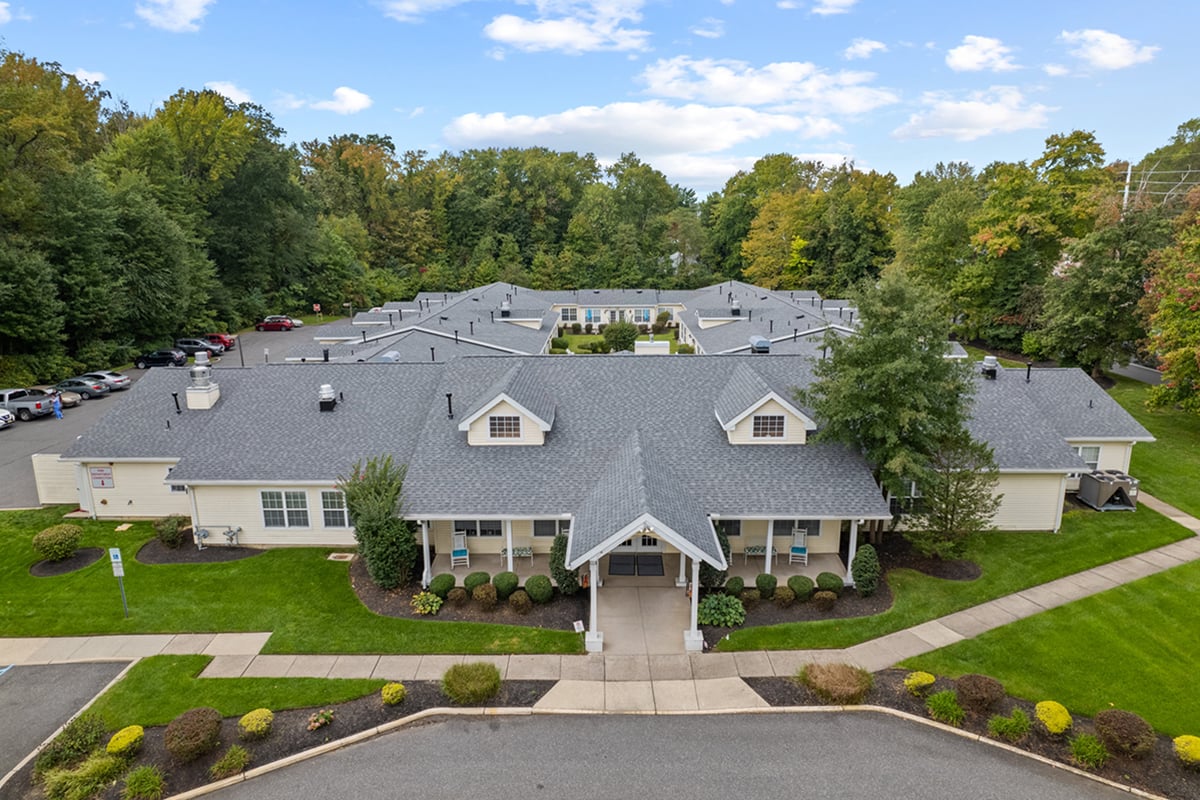
At Granville Place, residents enjoy comfortable apartment homes, chef-prepared dining, engaging daily programs, and welcoming shared spaces that encourage connection and routine. Families often find that having a financial plan in place makes the transition feel more manageable and less stressful.
Rent Out the Family Home for Additional Income
Turning the family home into a rental property can provide steady monthly income to help offset senior living expenses. This financing assisted living while keeping the home strategy allows families to maintain ownership while using rental payments to support monthly costs.
Many families choose to work with a property management company to simplify the process. Professional management can help with:
- Tenant screening and lease agreements
- Maintenance coordination and repairs
- Monthly rent collection and communication
While management fees reduce some income, many families appreciate the convenience and oversight. This option can work especially well in areas with strong rental demand.
Families should also speak with a tax professional about possible deductions, reporting requirements, and the impact rental income may have on long-term financial planning.
Bridge Loans Can Help During a Transition
A bridge loan for assisted living may provide short-term funding while families work through longer-term plans. These loans use the home as collateral and can offer quicker access to funds when immediate senior living expenses arise.
Bridge loans may help families:
- Prepare the home for a future sale
- Wait for better housing market conditions
- Give relatives more time to organize belongings and paperwork
Although bridge loans often come with higher interest rates than traditional financing, they can provide flexibility during a major life transition. For some families, this temporary solution helps reduce pressure while deciding on the next steps.
Veterans Benefits May Reduce Monthly Costs
Veterans and surviving spouses may qualify for financial assistance through Veterans Affairs programs. Veterans benefits for assisted living can help offset monthly senior living expenses and reduce strain on family finances.
Eligibility is typically based on:
- Military service history
- Financial qualifications
- Personal support needs
Because the application process can involve extensive documentation, many families benefit from guidance during the process. Understanding available veterans benefits early may open additional assisted living payment options families had not previously considered.
Medicaid Planning and Home Protection
Many families are surprised to learn that Medicaid assisted living coverage may allow someone to keep their primary residence under certain circumstances. Rules vary by state, so families should review local guidelines carefully before making financial decisions.
An elder law attorney can help families understand asset protection strategies, Medicaid eligibility requirements, and spousal protections and exemptions
Planning ahead often gives families more flexibility and can help preserve home equity while still preparing for future senior living costs.
Home Equity Options Offer Flexibility
Some homeowners use a home equity line of credit or reverse mortgage to help manage expenses. These options allow families to access funds tied to the home's value without immediately selling the property.
A home equity line of credit may work well for families who want flexible access to funds as expenses change over time. Reverse mortgages may appeal to homeowners age 62 and older who want to convert equity into usable income while remaining owners of the property.
Like any financial product, these options deserve careful review. Families should fully understand repayment terms, interest costs, and long-term impacts before moving forward.
Finding the Right Financial Plan for Your Family
Every family's financial situation is different. Some families combine rental income with savings or veterans benefits. Others use bridge loans or home equity solutions to create additional flexibility during a transition.
The most important step is starting conversations early. Reviewing available assisted living payment options before a move becomes urgent often gives families more choices and greater peace of mind.
Granville Place offers personalized assisted living in a welcoming Burlington community with restaurant-style dining, social events, wellness programs, and comfortable gathering spaces that help residents stay connected and engaged. Schedule a community tour to learn more about daily life at Granville Place.