
Summary
Brain games for older adults provide essential mental stimulation that supports cognitive wellness and quality of life. Learning about the variety of engaging activities available can help families make informed decisions about care options.
- Traditional puzzles like crosswords, sudoku, and jigsaw puzzles strengthen concentration, pattern recognition, and problem-solving skills
- Card and board games offer dual benefits of mental challenge and social interaction through friendly competition and conversation
- Creative pursuits including painting, music, writing, and learning new skills engage different brain areas while promoting personal expression
- Physical activities like dancing, tai chi, gardening, and walking groups combine movement with mental engagement for comprehensive brain health support
- The most effective approach includes varied, personalized options that match individual interests and abilities, with consistent participation producing the best results
Keeping the mind active and engaged becomes increasingly important as we age. Brain games for older adults provide mental stimulation that helps support brain health and overall quality of life. Understanding the variety of cognitive activities for older adults available can help families make informed decisions about care and lifestyle choices.
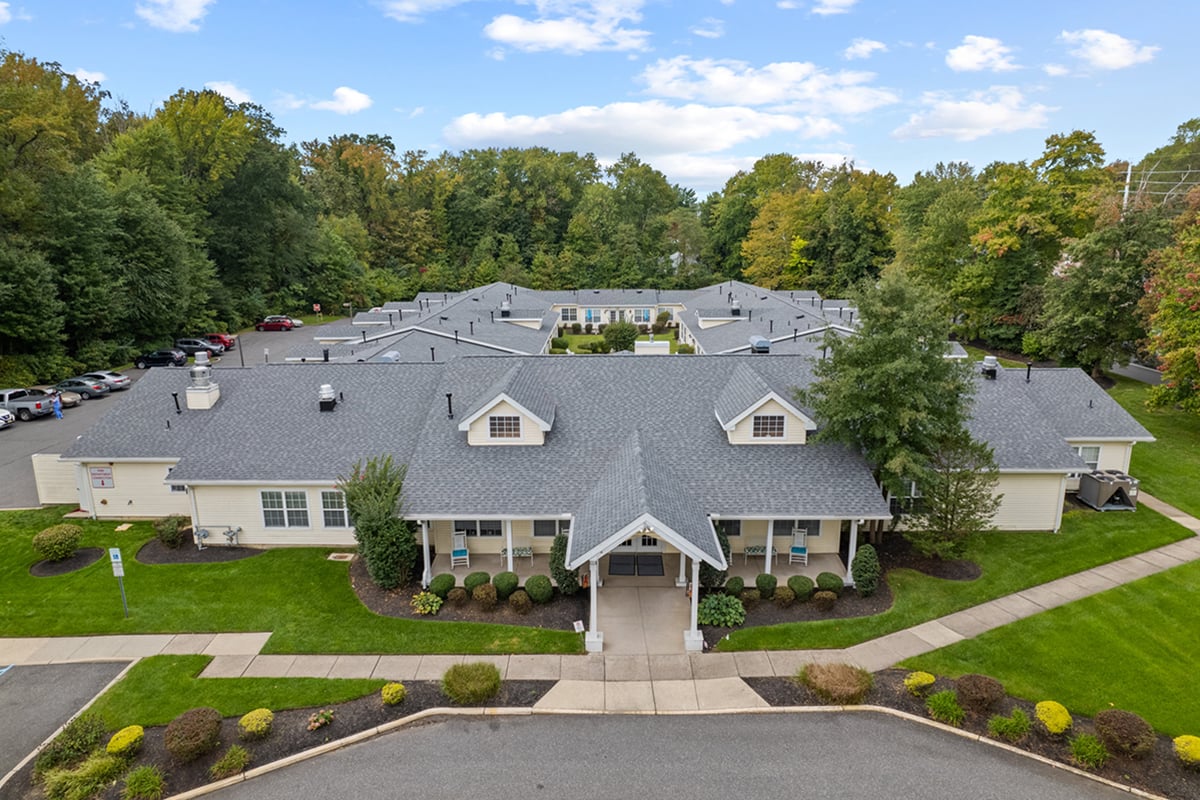
Communities like Granville Place in Burlington, NJ recognize the value of mental fitness programs. These programs range from traditional puzzles to technology-based games, social learning experiences, and creative pursuits that challenge the mind while remaining enjoyable and accessible.
The Science Behind Mental Stimulation and Brain Health
Research shows that regular mental stimulation helps maintain cognitive function as we age. Brain fitness programs encourage the formation of new neural connections, which support memory, problem-solving skills, and mental flexibility. While these programs cannot prevent all age-related cognitive changes, they may help support quality of life and ongoing engagement.
Mental stimulation programs for older adults work best when they're challenging but achievable. Programs that are too easy provide little benefit, while those that are overly difficult can lead to frustration. The key is finding the right balance that keeps individuals engaged and motivated to continue participating.
Types of Brain Games for Older Adults
Traditional puzzles remain popular cognitive programs for older adults. These activities require concentration, pattern recognition, and problem-solving skills that help keep the mind active. Popular options include:
- Crossword puzzles that challenge vocabulary and general knowledge
- Sudoku for logical thinking and number pattern recognition
- Jigsaw puzzles that develop visual-spatial skills
- Word searches for focus and letter pattern identification
Card games and board games offer both mental stimulation and social interaction. Games like bridge, chess, Scrabble, and trivia encourage strategic thinking while creating opportunities for connection with others. Many communities organize regular game groups where residents can gather for friendly competition and conversation.
Technology-based options have expanded the variety of brain games available. Tablet apps and computer programs offer memory exercises, logic puzzles, and skill-building activities with adjustable difficulty levels. These digital tools can track progress over time and adapt to individual abilities.
Creative and Artistic Pursuits
Artistic programs engage different areas of the brain than logic-based games. These pursuits provide mental stimulation while allowing for personal expression and emotional well-being:
- Painting and drawing that develop fine motor skills and visual creativity
- Crafts requiring focus and hand-eye coordination
- Music programs that engage rhythm, memory, and auditory processing
Learning new skills offers powerful cognitive benefits at any age. Taking up a musical instrument, learning a new language, or exploring unfamiliar art techniques creates fresh neural pathways. The process of learning itself provides some of the greatest mental benefits, making it especially valuable among preventing cognitive decline activities.
Writing programs, including journaling, memoir writing, or poetry, combine memory recall with creative thinking. These programs help individuals reflect on their experiences while exercising language skills and organizational thinking.
For older adults living with memory loss, creative programs often focus on participation rather than outcomes. A favorite song, a familiar story, or a hands-on project can encourage engagement and spark meaningful connections. These personalized experiences help residents stay connected to their interests and life stories while enjoying a sense of purpose.
Social Programs and Group Engagement
Book clubs combine reading comprehension with discussion and social engagement. These groups encourage members to analyze themes, recall details, and articulate their thoughts. The social aspect adds another layer of cognitive benefit through conversation and connection.
Educational programs and lectures introduce new information and perspectives. Guest speakers, documentary viewings, and discussion groups about current events or historical topics provide mental stimulation while fostering curiosity and lifelong learning.
Team-based activities like group trivia or collaborative projects combine cognitive challenges with social interaction. At Granville Place, these shared experiences help residents build relationships while staying mentally engaged. Families often appreciate seeing loved ones participate in programs, make new connections, and enjoy meaningful moments throughout the day.
Physical Activities That Support Brain Health
Physical exercise supports cognitive function through increased blood flow to the brain. Activities that combine movement with mental challenge provide dual benefits:
- Dancing that requires memory of steps, coordination, and rhythm
- Tai chi combining focused movement with mindfulness and balance
- Yoga blending physical postures with breathing and concentration
Gardening engages multiple cognitive domains, including planning, problem-solving, and sensory awareness. The activity provides gentle physical exercise while connecting individuals with nature. Many communities maintain garden spaces where residents can participate in planting and care activities.
Walking groups offer both physical activity and social connection. Adding elements like nature observation or discussion topics during walks increases the cognitive benefits. Some communities organize walking clubs that explore different routes or visit local points of interest.
Creating a Personalized Program
The most effective approach includes a variety of cognitive activities for older adults tailored to individual interests and abilities. What works for one person may not appeal to another, so offering diverse options helps encourage consistent participation.
Communities that provide multiple program types throughout the week give residents flexibility to choose what interests them most. This variety is especially valuable because cognitive wellness looks different for every individual. Some residents enjoy puzzles and strategy games, while others respond best to music, art, discussion groups, or social experiences.
Regular participation matters more than the specific activity chosen. Consistency helps create lasting benefits, while variety prevents boredom and challenges different cognitive skills. A balanced program might include both independent activities and group experiences, traditional games and newer options.
For families considering assisted living options, asking about programming reveals how a community supports cognitive wellness. Look for communities that offer daily opportunities for brain games for older adults, qualified team members who lead programs, and flexibility to accommodate different ability levels and preferences. The right environment provides both structure and choice, supporting brain health while respecting individual preferences.
Learn more about Assisted Living at Granville Place and explore additional resources on healthy aging through our senior living blog.
Schedule a tour of Granville Place to see how engaging programs, meaningful connections, and personalized support help residents enjoy each day to the fullest.