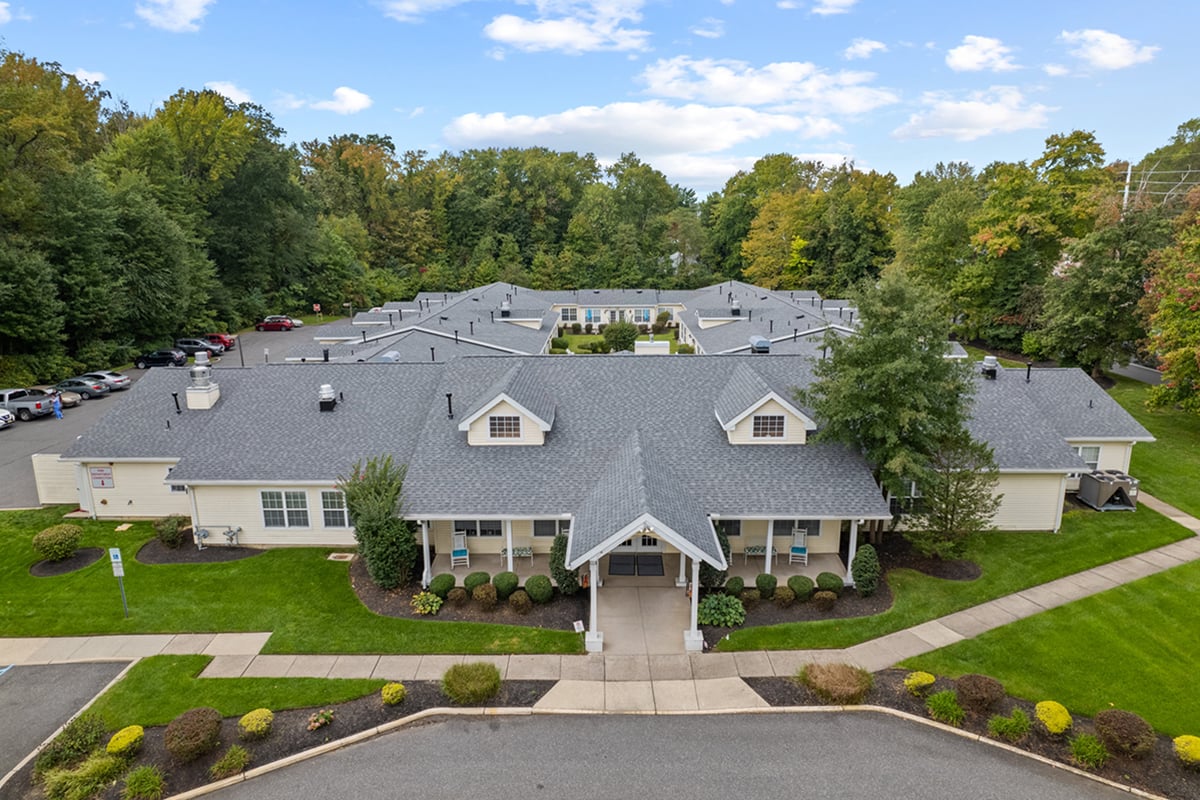

Holistic mental health helps seniors build emotional balance, mental clarity, and a stronger sense of purpose as they age. In Burlington, this approach supports healthier routines and smooth seasonal transitions for seniors seeking connection and stability in their daily lives. It also creates a fresh start for older adults who want a lifestyle that nurtures the mind, body, and spirit.
The World Health Organization says roughly one in seven adults (14.1%) aged 70 and over has a mental disorder. As many families explore senior living options, prioritizing cognitive and emotional well-being is crucial for supporting healthy aging.
Burlington, located just a few miles from Willingboro, NJ, offers a welcoming community where seniors can embrace new beginnings with confidence. The supportive environment, combined with comprehensive services, helps residents rebuild routines and rediscover purpose during transitional periods.
This quick guide examines holistic mental health and its role in helping seniors feel grounded, supported, and connected throughout the year.
What Is Holistic Mental Health?
Holistic mental health recognizes that emotional well-being cannot be separated from physical health, social relationships, spiritual fulfillment, and environmental factors. Unlike traditional approaches that may focus narrowly on treating specific symptoms, this wellness approach considers how all aspects of life work together and influence one another.
For seniors, this means focusing on areas such as:
- Physical activities, which boost mood and cognitive health
- Emotional wellness routines that help with stress, loneliness, or seasonal transitions for seniors
- Daily structure, which brings comfort and predictability
- Social interaction, which reduces isolation and supports mental clarity in older adults
Holistic mental health works well inside an assisted living wellness environment, where resources, staff, and programs are already designed to support the whole person. Seniors can enjoy enriching activities, participate in fitness or creative classes, and explore personal interests that strengthen mental and emotional health.
What Are the Different Ways to Improve Mental Health in Seniors?
Improving mental health in older adults involves consistent habits that bring comfort and a sense of meaning. Many seniors thrive when they feel connected to others and supported by a stable routine. A holistic approach introduces a blend of practical and calming activities that support long-term emotional balance.
Physical Activity and Movement
Regular exercise does more than strengthen muscles. It releases endorphins, improves sleep quality, and enhances cognitive function. Gentle activities, such as walking, chair yoga, or water aerobics, provide physical benefits while offering social opportunities.
The best exercises offer diverse movement options suited to various physical abilities.
Social Connections
Loneliness and isolation are among the most significant threats to senior mental health. Structured social activities, group meals, and community events create natural opportunities for connection. These interactions provide emotional support and reduce stress.
They offer a sense of belonging that's crucial for mental clarity in older adults. Building friendships in senior living environments helps combat loneliness and creates a support network.
Cognitive Engagement
Keeping the mind active through puzzles, reading groups, educational programs, or learning new skills helps maintain mental sharpness.
Cognitive stimulation protects against decline. It provides a sense of accomplishment that bolsters self-esteem and emotional wellness.
Challenging the brain regularly keeps neural pathways strong and supports memory function.
Nutritional Support
The gut-brain connection impacts mood and cognitive function. Diets rich in omega-3 fatty acids, whole grains, fruits, and vegetables are good for brain health. Proper hydration also plays a role in maintaining mental clarity and emotional balance.
Sharing meals with others adds a social component that enhances the dining experience beyond the nutritional value.
Emotional Wellness Routines
Consistency provides comfort and security. Emotional wellness routines might include:
- Morning meditation
- Afternoon crafts
- Evening music sessions
- Weekly faith-based gatherings
These patterns create stability that reduces anxiety and supports emotional regulation. Many senior living communities in Burlington have supportive teams that work with residents to establish routines that honor individual preferences. Hearing from others who have experienced your preferred community can help.
Professional Support When Needed
Sometimes, additional support from mental health professionals becomes necessary. Access to counseling, therapy, or psychiatric care ensures that seniors receive appropriate intervention when facing depression, anxiety, or adjustment challenges.
Recognizing when to seek help is a sign of strength, not weakness.
Frequently Asked Questions
How Can Seniors Build Stronger Emotional Resilience?
Seniors can build resilience by practicing daily habits such as gentle exercise, journaling, and staying socially connected. These routines help regulate mood and create a sense of purpose. Supportive environments, such as assisted living communities, also offer structure that helps strengthen emotional balance.
How Do Seasonal Changes Affect Senior Mental Health?
Shorter days, colder weather, or disruptions in routine can impact mood and energy levels. Seniors may feel more isolated during the winter months. Staying active, connecting with others, and maintaining consistent habits can help them manage these seasonal shifts.
Communities that offer year-round indoor programming and climate-controlled spaces help seniors maintain emotional balance regardless of the weather.
What Are Some Signs of Strong Mental Clarity in Older Adults?
Mental clarity often manifests as a balanced mood, active participation in daily activities, and good decision-making. Seniors may express interest in hobbies, engage with peers, or follow routines with comfort. These signs suggest that their emotional and cognitive well-being is supported.
How Can Families Support a Loved One's Emotional Wellness Routines?
Families can help by encouraging regular activities, checking in frequently, and creating predictable daily habits. Even small gestures-such as phone calls, shared meals, or light outdoor walks-can bring comfort. Partnering with a senior living community also creates consistent support.
Can Pets Contribute to Senior Mental Wellness?
Pets provide unconditional love, routine responsibility, and opportunities for physical activity through walks or play. Many senior communities now welcome pets or offer regular animal therapy visits to support resident well-being.
Embrace a Holistic Mental Health Approach at Granville Place
Holistic mental health approaches create the foundation for meaningful senior living. By addressing emotional, physical, social, and spiritual needs together, seniors find balance and purpose even during transitional seasons.
Granville Place Assisted Living offers residents a warm, supportive environment focused on healthy aging for seniors. We offer assisted living services, compassionate care, and engaging programs to create a lifestyle that builds confidence and enhances the emotional well-being of our residents.
If you're exploring senior living in Burlington and want a community where you or your loved one can experience a fresh start, schedule your tour.